Local
North Port AC Replacement Guide: Storm Recovery Lessons From Hurricane Ian
Hurricane Ian flooded and battered thousands of North Port homes. Here's what that storm taught us about AC damage, hidden problems and replacing a system so it survives the next one.
Quick answer
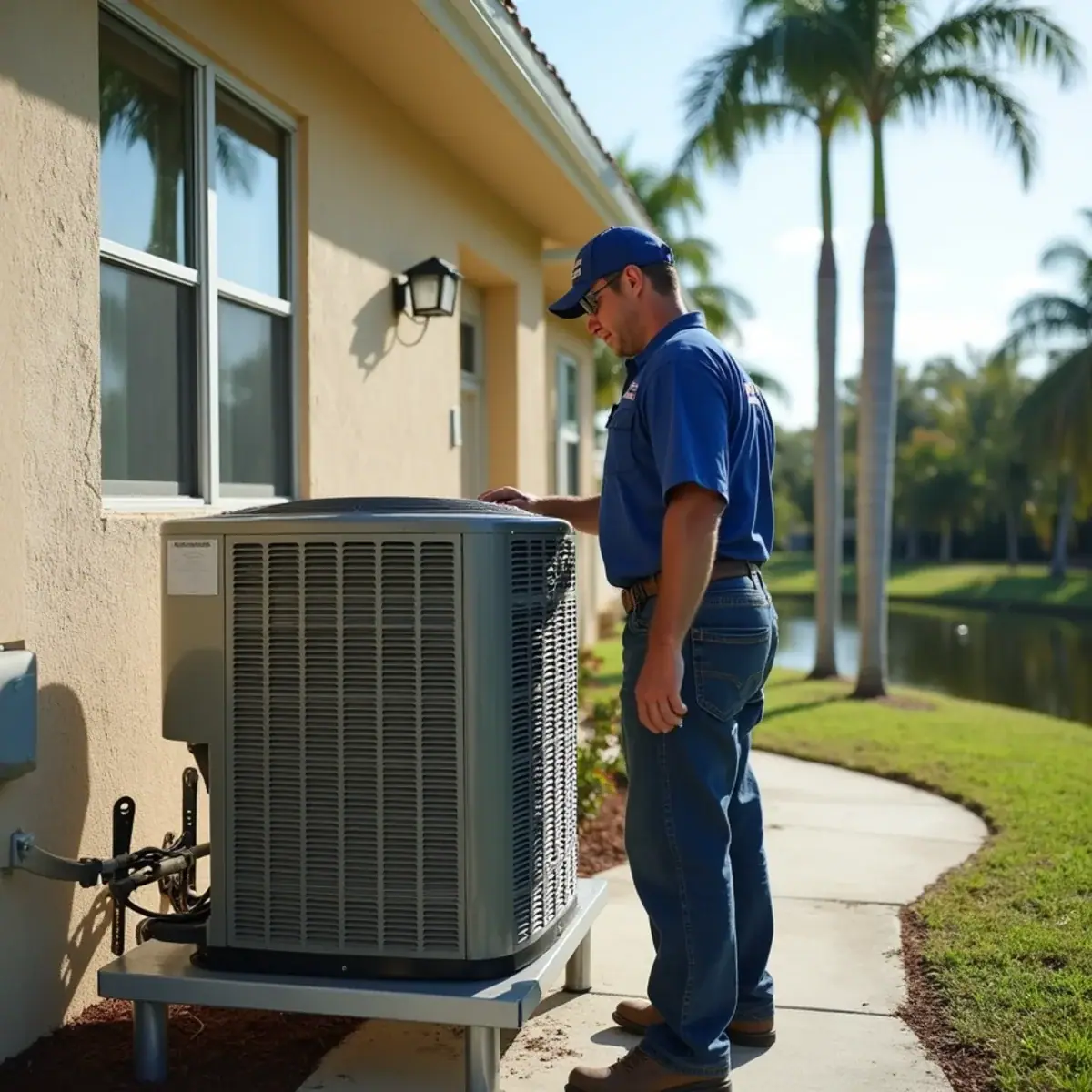
For a North Port AC replacement, don't copy the old install. Size the new system with a Manual J load calculation, raise the condenser on an anchored stand if your lot flooded during Hurricane Ian, use new wind-rated tie-downs and surge protection, and have a licensed contractor pull the City of North Port mechanical permit.
Hurricane Ian made landfall near Cayo Costa on September 28, 2022, as a powerful Category 4 storm, and its core pushed inland over Charlotte County and southern Sarasota County. North Port took the wind first. Then came the water: the Myakka River and the city's network of drainage waterways rose for days after the storm passed, flooding neighborhoods that had never flooded before. Years later we still see the effects on air conditioning systems across the city, and the lessons apply to every homeowner heading into another hurricane season.
What Ian did to AC systems
- Wind damage: condensers pushed off pads, refrigerant lines kinked or snapped, fins flattened by flying debris.
- Floodwater: outdoor units submerged to the controls, soaking the compressor terminals, contactor, capacitor and fan motor bearings in dirty water.
- Garage air handlers: units sitting low in garages took in floodwater along with the blower motor and control board.
- Roof damage: water entering through the roof soaked attic ducts and insulation, leaving mold that showed up weeks later as a musty smell.
- Power surges: repeated outages and restorations damaged compressors and control boards that had survived the wind.
Flood damage vs. wind damage: repair or replace?
| Damage | Often repairable? | What we check |
|---|---|---|
| Condenser tipped or shifted | Often, if lines held | Line set, brazed joints, pressures, tie-down points |
| Bent fins from debris | Usually | Fin combing, airflow, head pressure |
| Condenser submerged above the base | Sometimes, case by case | Electrical parts, compressor windings, fan motor |
| Air handler flooded | Rarely worth it | Blower motor, board, coil, contamination |
| Surge-damaged board or compressor | Board often; compressor depends on age | Voltage, windings, contactor, capacitor |
Floodwater carries silt, sewage and fuel. Electrical parts that sat in it can look fine and fail weeks later, and a flooded air handler with fiberglass-lined cabinets and wet insulation is a mold problem as much as a mechanical one. That is why flooded indoor equipment is usually replaced rather than dried out.
Six lessons North Port learned the hard way
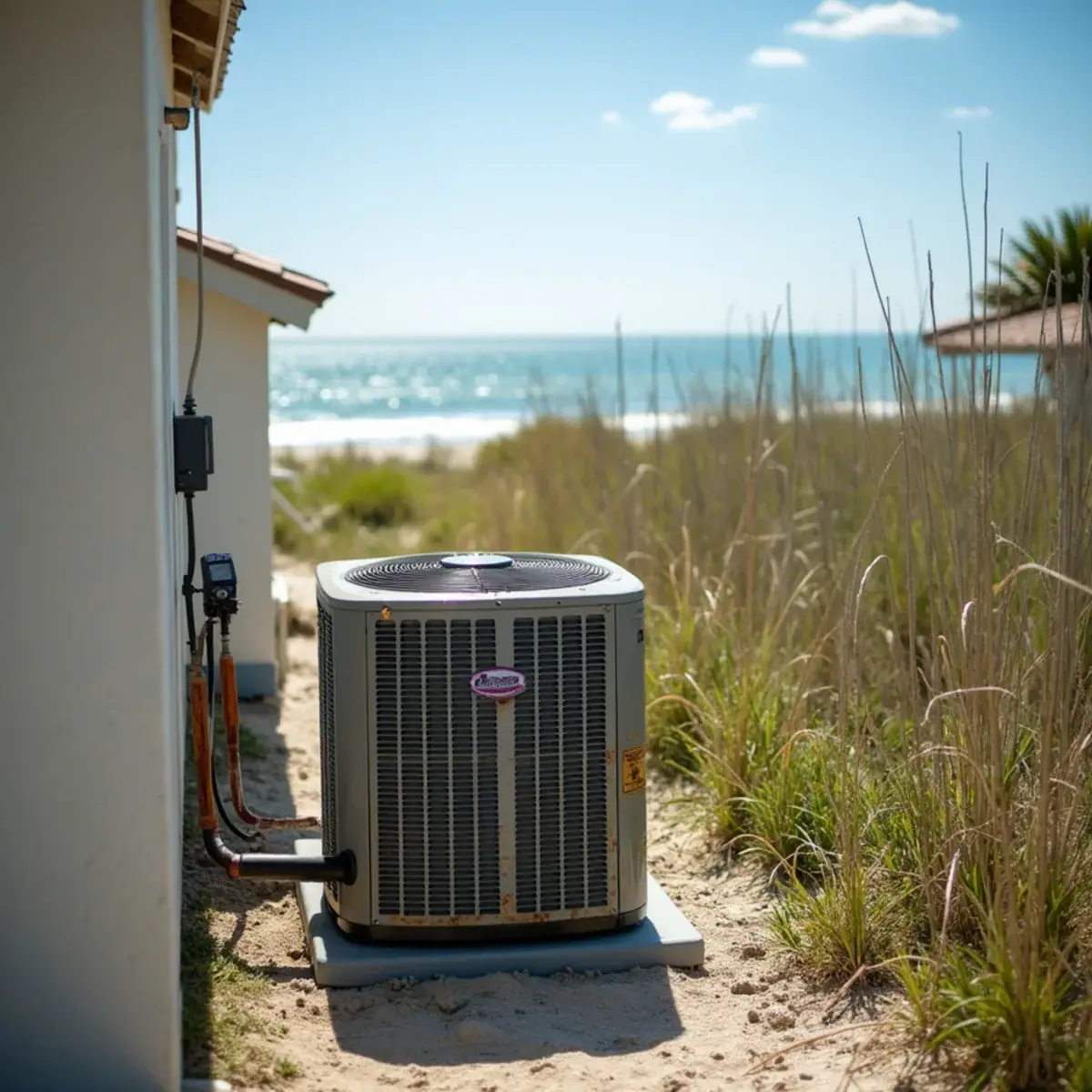
- Elevation matters. Condensers set on raised stands survived much better than those on ground-level pads in low-lying areas. When replacing, ask about elevating the unit, especially if your lot flooded in 2022.
- Tie-downs are not optional. The Florida Building Code requires wind-rated tie-downs for outdoor condensers. Many older installs had missing, rusted or undersized straps.
- Surge protection pays for itself. A whole-home surge protector plus one at the condenser disconnect protects the compressor and control boards during outages.
- Know your shutoffs. Turn the system off at the thermostat and breaker before the storm arrives and during flooding.
- Document everything. Photograph the condenser, air handler, data plates and model numbers before the season. Our post on hurricane AC damage and insurance explains why.
- Watch for delayed damage. Corrosion from contaminated floodwater can take months to cause a failure.
If you're planning a North Port AC replacement
Much of North Port's housing went up in the building booms of recent decades, so plenty of original systems are reaching the end of their life now, some of them weakened by 2022. If you're replacing, build storm resilience into the job rather than copying the old install:
- Raise the condenser on a properly anchored stand where the lot's flood history warrants it.
- Use new wind-rated tie-downs and corrosion-resistant hardware.
- Add surge protection at the panel and the disconnect.
- Size the system with a Manual J load calculation, not the old unit's tonnage.
- Move the air handler up and out of the garage floor's reach where layout allows.
- Expect new systems in 2026 to use R-454B or R-32 refrigerant and a City of North Port mechanical permit.
Our AC installation and replacement process covers all of this, and our hurricane and storm AC service handles pre-season tie-down checks, post-storm inspections and surge protection for systems that don't need replacing yet.
Hiring for a replacement after a big storm
After Ian, Southwest Florida saw a wave of out-of-area trucks, door hangers and "storm special" offers, and state regulators warned homeowners to check contractor licenses before signing anything. An unpermitted install from a crew that has already left town is hard to fix and harder to insure. Whether the next storm is a direct hit or a near miss, the same few checks protect you:
- Look up the license yourself on the state's DBPR site and make sure the name on the license matches the company on the estimate. We work under a Florida Certified A/C Contractor (CAC) license.
- Get it in writing with the equipment model numbers, the stand, tie-downs and surge protection listed as line items, not "install new AC, complete."
- Confirm who pulls the permit. The contractor doing the work should pull the City of North Port mechanical permit in their own name and schedule the final inspection.
- Be wary of pressure. A replacement quote that expires tonight or requires most of the money before any equipment arrives is a reason to slow down.
Our HVAC contractor page walks through vetting in more detail, including what paperwork to keep once the job is done.
Hidden problems that surface years later
We still get North Port calls where a system limped through 2022 and has struggled ever since: a compressor with contaminated oil, corroded wiring at the disconnect, a coil that was bent and never straightened, or ducts that got wet and now smell. If your AC runs constantly, trips breakers or blows air that isn't cold, start with a proper diagnosis through our AC repair service. When it quits in the middle of an August afternoon, our emergency AC repair line takes calls 24/7.
How we evaluate a system that "survived" the 2022 flooding
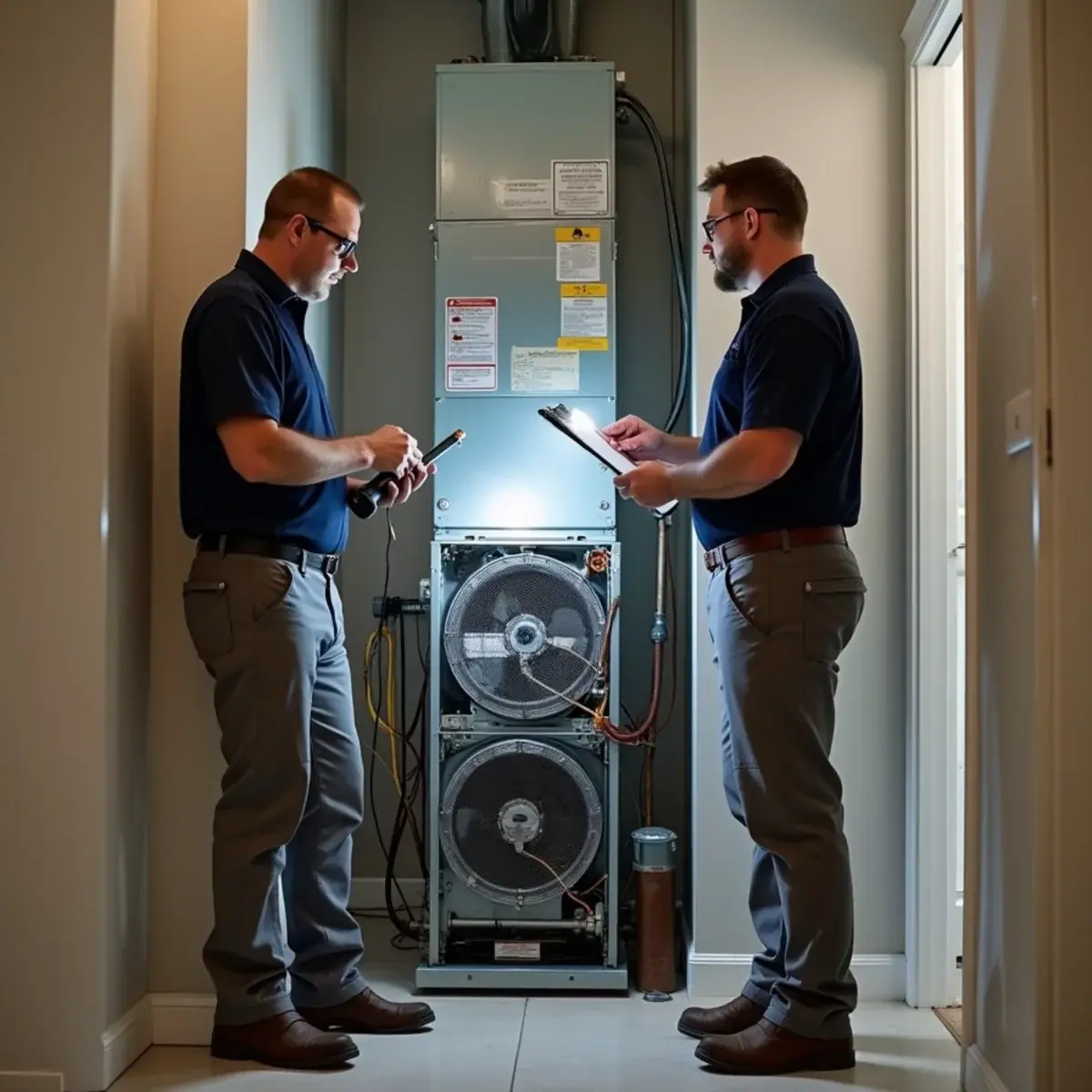
A system that got wet in 2022 and kept running isn't automatically fine, and it isn't automatically doomed either. On North Port calls where the owner isn't sure how high the water got, we look for evidence rather than relying on memory:
- The silt line. Floodwater leaves a tide mark of dried mud inside the condenser cabinet and on the air handler's insulation. Where that line sits relative to the compressor terminal box, the contactor and the blower motor tells us which parts actually soaked.
- Winding insulation, not just continuity. A basic ohm reading can look normal on a compressor whose winding insulation has been degraded by contaminated water. An insulation-resistance (megohm) test shows that weakness before it becomes a dead short.
- Oil condition when the system is opened. If a repair means opening the refrigerant circuit, the oil's color and smell, and an acid test where warranted, show whether moisture got inside.
- Stand and anchors. Post-storm installs were sometimes rushed. We check that the stand is anchored to something solid and that the tie-downs are actually fastened, not just present.
The trade-off we explain most often: when the silt line is below the electrical components and the insulation test is clean, a repair is often reasonable. When it's above the compressor terminals, or the indoor unit stood in water, money spent on repairs tends to buy one more summer rather than several.
Get your North Port system storm-ready
Brothers Services Cooling & Heating is based in Venice, a short drive from North Port. Call (831) 461-3437 or request a quote, and Goran will give you a straight answer on repair versus replacement before the next storm.
FAQ
Common questions
My AC unit was underwater during Hurricane Ian but still runs. Is it OK?
Not necessarily. Floodwater leaves silt and corrosive residue on electrical parts, motor bearings and compressor terminals, and failures can show up months or years later. Have a technician inspect the contactor, capacitor, wiring, fan motor and compressor, and check refrigerant pressures. If the system has been struggling since the storm, a full evaluation will tell you whether repairs make sense.
Should I raise my AC condenser in North Port?
If your lot flooded in 2022 or sits in a low-lying area near the Myakka River or a drainage waterway, raising the condenser on a properly anchored stand is a smart part of any replacement. The stand must be secured with wind-rated tie-downs and still leave room for safe service access. We look at your lot's history and layout before recommending a height.
Does a whole-home surge protector really help with hurricanes?
It helps with the surges that come with outages and power restoration, which are a common cause of failed control boards and compressors after storms. It will not stop a direct lightning strike, but pairing a whole-home protector at the panel with one at the outdoor unit gives your equipment a much better chance of surviving the season.
If only my condenser was damaged, do I need to replace the air handler too?
Usually, if the outdoor unit is being replaced rather than repaired. New outdoor units in 2026 use R-454B or R-32, and they need a matched indoor coil and air handler rated for that refrigerant. Pairing a new condenser with an old R-410A or R-22 indoor coil isn't an option. An exception is a repairable condenser, where fixing the damaged part keeps the original matched system in service.
Should I replace an aging AC before hurricane season or wait until it fails?
If the system is healthy, there's no reason to replace it early. If it's already been diagnosed with a leaking coil, a weak compressor or flood damage from 2022, planning the replacement in spring gives you time to compare written estimates, choose a stand height and add surge protection. Waiting until it fails in August or after a storm means deciding in a hurry, often while every contractor is backed up.
About the author
Written by the team at Brothers Services Cooling & Heating, an owner-operated HVAC contractor in Venice, FL. Goran and crew repair, replace and maintain air conditioners and heat pumps across Sarasota County every day — this article reflects what we see on real Gulf Coast service calls.