Prevention
Musty Smell and Mold? How to Control Indoor Humidity on the Gulf Coast
A house can be 74°F and still feel clammy, smell musty and grow mold on closet walls. Here is what actually controls indoor humidity on the Gulf Coast and which fixes are worth the money.
Quick answer
To stop musty smells and mold in a Florida home, control indoor humidity: keep it under 60%, ideally 45–55%. Set the thermostat fan to AUTO, hold a steady setpoint, keep the coil, filter and drain clean, and seal leaky attic ducts. If readings stay high, the AC may be oversized or need slower airflow or a whole-home dehumidifier.
That faint locker-room smell when you open a closet, the black dots on the bathroom ceiling, the leather shoes that turn fuzzy in a month: those are humidity problems, not cleaning problems. On the Gulf Coast the outdoor air in summer routinely carries more moisture than your home can tolerate, and your air conditioner is the main thing standing between that air and your drywall. When the system is not removing enough water, you get musty odors and mold even at a comfortable temperature. The good news is that most causes are fixable, and some cost nothing.
What Indoor Humidity Should Be
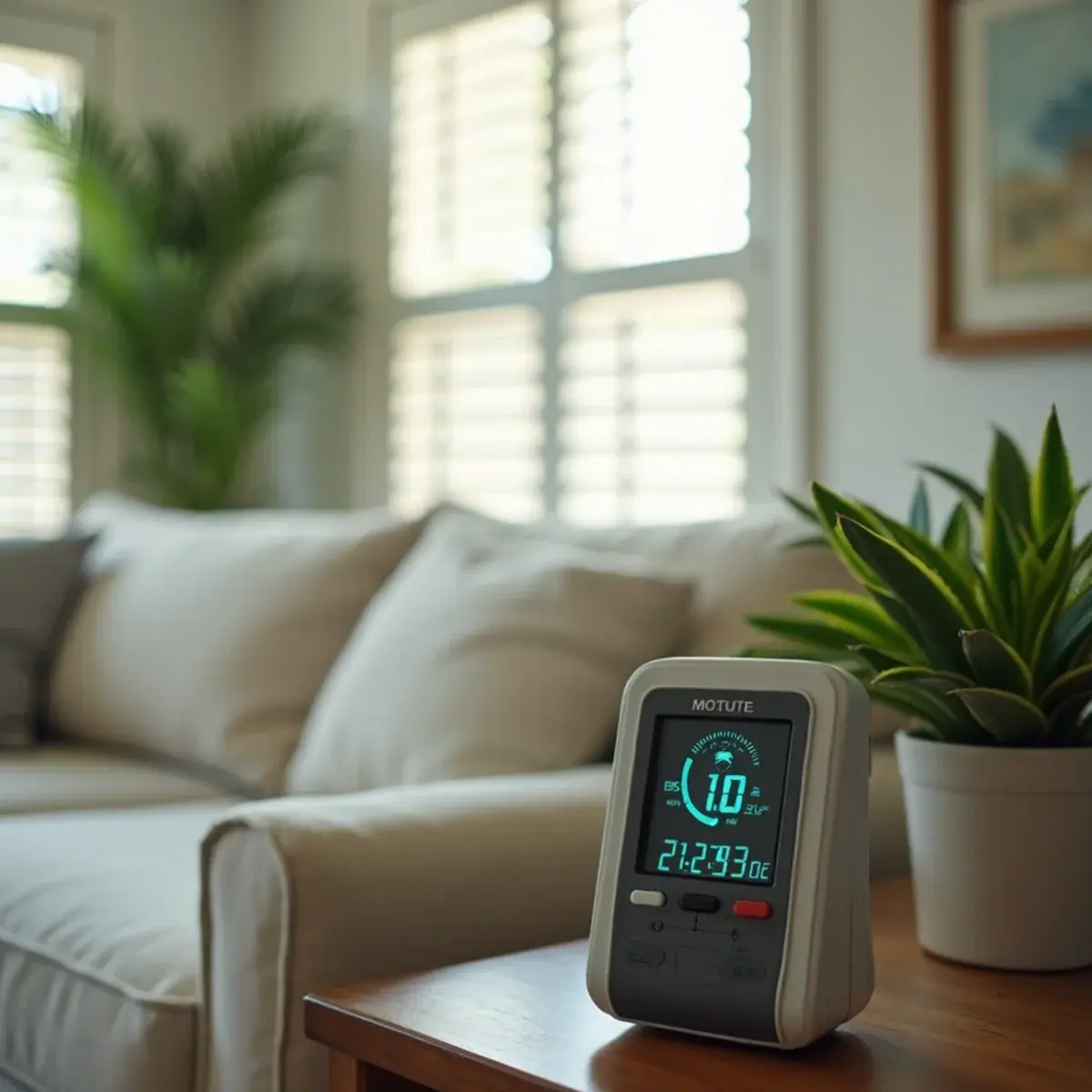
Aim to keep indoor relative humidity between about 40% and 60%, and ideally under 60%, which is the range the EPA points to for discouraging mold growth. In a Venice summer, 45% to 55% feels comfortable and keeps closets fresh. A basic digital hygrometer costs very little at a hardware store; put one in a bedroom and another in the room that smells worst. If readings sit above 60% for days at a time, something in the system or the house needs attention.
Why Your AC Might Not Be Drying the Air
The system is oversized
An air conditioner removes moisture only while the indoor coil is cold and wet, and it takes several minutes of runtime before water starts dripping off steadily. An oversized system hits the thermostat setpoint fast, shuts off, and repeats. The temperature looks fine, but the unit never ran long enough to wring out the air. This is one of the most common humidity complaints we see after a replacement that was sized by rule of thumb instead of a proper load calculation.
The thermostat fan is set to ON
With the fan set to ON, the blower keeps running after the compressor stops, blowing air across a wet coil and evaporating that water right back into your house. Switch it to AUTO so the blower stops with the compressor and the water can drain away. It is the easiest free fix on this list.
Leaky ducts and attic air
Return ducts in a 130°F attic that have gaps at the connections pull hot, wet attic air straight into the system. Leaks around the air handler platform in a garage or closet do the same. Sealing those leaks often drops indoor humidity noticeably.
Moisture you create indoors
- Run bathroom exhaust fans during showers and for about 20 minutes after.
- Use a range hood that actually vents outdoors, not one that just recirculates.
- Make sure the clothes dryer vents outside with a clean, tight duct.
- Keep windows and sliders closed on humid days; an open lanai door on an August afternoon lets in far more water than you might expect.
Fixes That Work, From Free to Bigger Projects
- Fan on AUTO and a steady setpoint. Big temperature swings make the system work in short bursts. A consistent setpoint gives longer, drier cycles.
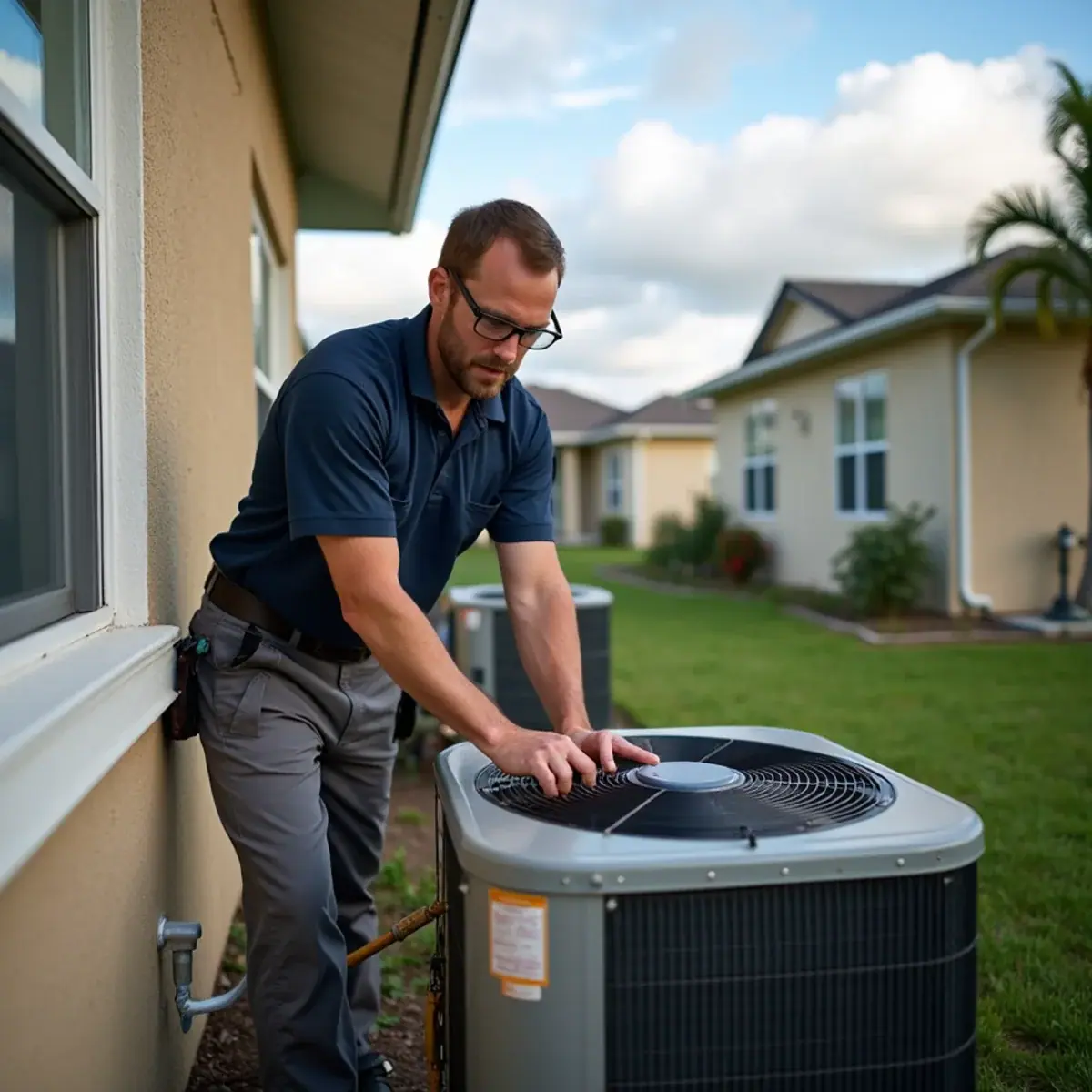
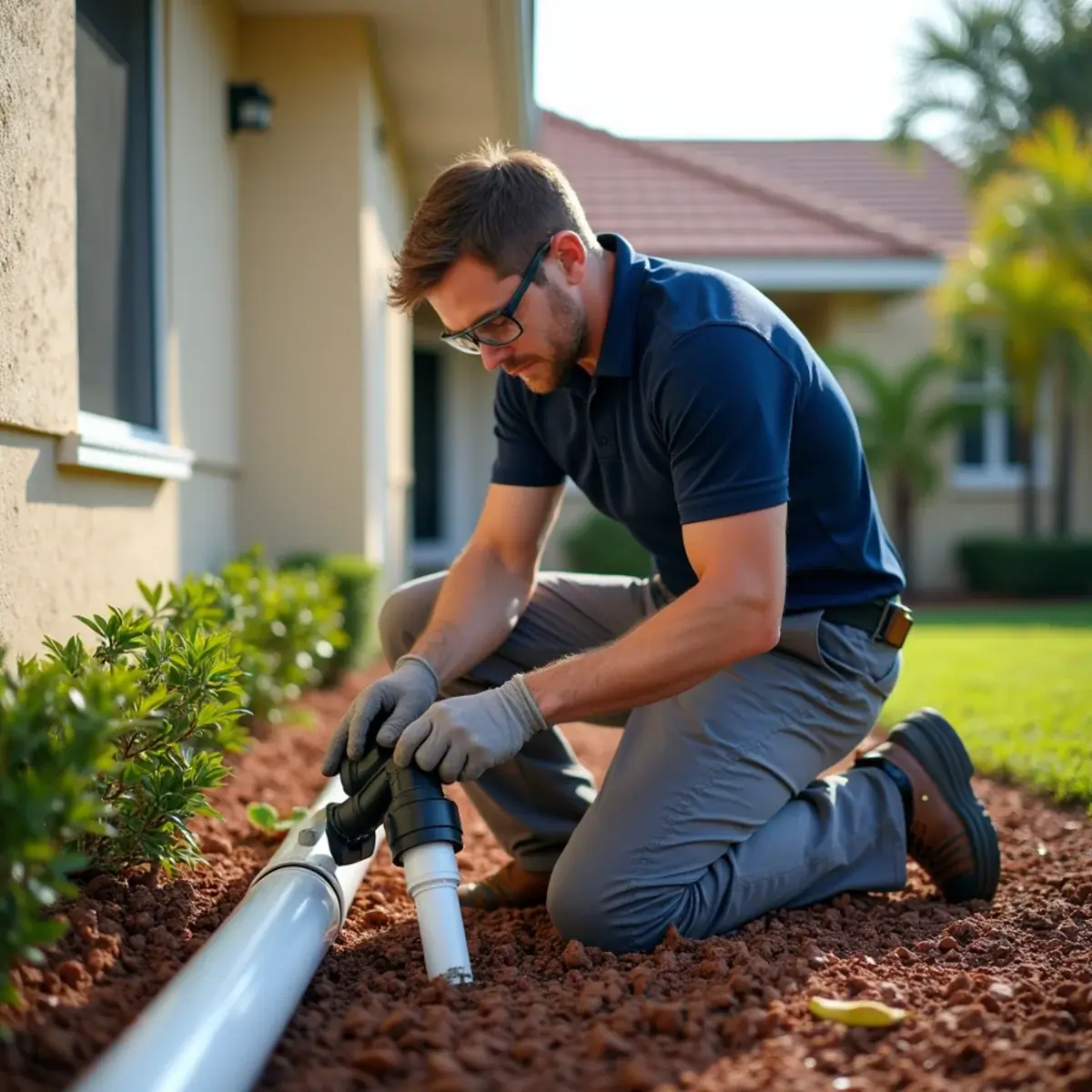
- Clean filter, coil and drain. A dirty coil or partly plugged drain reduces moisture removal. A yearly AC maintenance visit covers all three.
- Dehumidify mode or lower blower speed. Many variable-speed and two-stage systems can run slower airflow for more moisture removal; your installer may simply need to enable it.
- Duct sealing. Especially on attic return ducts and the air handler cabinet.
- A whole-home dehumidifier. A ducted unit tied into your system removes moisture independently of cooling, which helps during mild, rainy weather when the AC barely runs.
- Right-sizing at replacement. If the system is near the end of its life, a properly sized AC installation based on a Manual J load calculation fixes the root cause.
Our humidity and mold control service starts with measurement, not a sales pitch. Many homes need only the first two or three steps.
Portable dehumidifier, whole-home unit or AC dehumidify mode?
A common question is whether a hardware-store dehumidifier will do the job. It can, for one problem room. Each option solves a different size of problem:
| Option | Best for | Trade-offs to know |
|---|---|---|
| AC dehumidify mode or lower blower speed | Homes with a variable-speed or two-stage system that is correctly sized | Only works while the AC is cooling, so it does little on mild, rainy days |
| Portable dehumidifier | A single damp room, closet area or storage space | Adds compressor heat to the room, and the bucket needs emptying unless it drains to a floor drain or pump |
| Whole-home ducted dehumidifier | Persistent high readings across the house, vacant seasonal homes, tight new construction | Needs space near the air handler, a drain connection and its own humidity control |
Island and Bayfront Homes Face Extra Moisture
On Siesta Key, homes sit in the constant Gulf breeze, and the temptation to throw the windows open is strong. Salt-laden, humid air pouring in for a few hours can load furniture, carpet and drywall with moisture the AC then has to chase for days. Barrier-island homes also tend to have elevated construction with ductwork in unconditioned spaces, so duct leakage matters even more.
Across the bays in Nokomis, older ranch homes near Dona and Roberts Bays often have original single-stage systems and closets on exterior walls. Those cooler exterior closets are where mold shows up first, on shoes, luggage and the back wall. A small air gap behind stored items and better airflow into the closet help, but the long-term fix is getting whole-house humidity under 60%.
Snowbird Settings: Do Not Turn the AC Off
Shutting the air conditioning off for a Florida summer is how people come home to mold on every wall. A closed, unconditioned house can climb well above 70% humidity within days. Instead:
- Leave the system in cooling mode at roughly 78°F to 82°F, or use a thermostat with humidity control set to keep relative humidity under 60%.
- Keep the fan on AUTO.
- Have the drain line flushed and the float switch tested before you leave.
- Ask a neighbor or a house-watch service to check the thermostat display and the secondary drain pan every week or two.
- Consider a Wi-Fi thermostat that reports temperature and humidity so you can see problems from up north.
How We Measure a Humid House Before Recommending Anything
A hygrometer tells you there is a problem. It doesn’t tell you why. On a humidity call around Venice, we take a few readings that point to the cause before anyone talks about equipment:
- Indoor dew point, not just relative humidity. At 75°F, 50% RH works out to a dew point of about 55°F. Dew point doesn’t swing with temperature the way RH does, so it shows whether the air is truly getting drier over the day.
- Supply air leaving the coil. Cold, well-dried air at the register means the coil is working and the moisture is getting in somewhere else. Cool but damp supply air points back at the equipment.
- Blower speed and fan-off delay. Many air handlers leave the factory, or the last installer, on a high speed tap with a delay that keeps the blower running after the compressor stops. Both help sensible cooling and hurt moisture removal.
- Return-side leaks. We check the return plenum, the air handler platform and the filter slot for gaps pulling in attic or garage air.
The trade-off is airflow. Slowing the blower lets the coil run colder and pull out more water, but go too slow and the coil can freeze. We stay inside the manufacturer’s published range and recheck the temperature split after any change. The most common mistake we see is buying a bigger system to fix a damp house, which usually makes it worse.
Get Your Home Measured
If your house smells musty, feels sticky at 75°F, or you keep finding mold in the same spots, call (831) 461-3437 or request a quote online. Brothers Services Cooling & Heating will take readings, look at the equipment, and explain what will actually move the number.
FAQ
Common questions
What humidity level should I keep my Florida home at?
Keep indoor relative humidity between roughly 40% and 60%, and aim to stay under 60%, which is the level the EPA associates with discouraging mold. Most Gulf Coast homes feel best around 45% to 55% in summer. Check with an inexpensive hygrometer in a couple of rooms, since closets and bathrooms often run higher than the main living area.
Will a bigger AC fix my humidity problem?
Usually the opposite. An oversized air conditioner cools the house quickly and shuts off before it removes much moisture, leaving the air cool but damp. The right fix is correct sizing from a load calculation, plus airflow settings and sometimes a whole-home dehumidifier. Bigger equipment tends to make short cycling and clamminess worse.
Should I run my AC fan on ON or AUTO in Florida?
AUTO for most homes. With the fan on ON, the blower keeps pushing air across the wet indoor coil between cooling cycles and re-evaporates that water back into your rooms, which raises indoor humidity. AUTO lets the coil drain between cycles. If you want more air mixing, talk to a technician about variable-speed options rather than running the fan constantly.
Do I need a dehumidifier if my AC works fine?
Often not. A correctly sized system with clean parts and the right airflow keeps most Gulf Coast homes under 60% during the cooling season. Dehumidifiers earn their place when readings stay high anyway: in spring and fall when the AC barely runs, in homes left closed for the summer, or where the equipment is oversized and replacement is still years off. Measure first, then decide.
Why does the musty smell come from my AC vents?
When the odor is strongest at the registers, the source is usually inside the system: a dirty evaporator coil, a slime-filled drain pan, a dusty blower wheel or wet duct insulation growing mildew. Air freshener clip-ons only mask it. The fix is cleaning the coil, pan and blower, clearing the drain and finding out why moisture is lingering there in the first place.
About the author
Written by the team at Brothers Services Cooling & Heating, an owner-operated HVAC contractor in Venice, FL. Goran and crew repair, replace and maintain air conditioners and heat pumps across Sarasota County every day — this article reflects what we see on real Gulf Coast service calls.