Core Service
R-22 Phase-Out: AC Replacement Guide for Older Venice-Area Systems
If your condenser was installed before 2010, it probably runs on R-22. Here is what the phase-out actually means for repairs, retrofits and replacement in the Venice area.
Quick answer
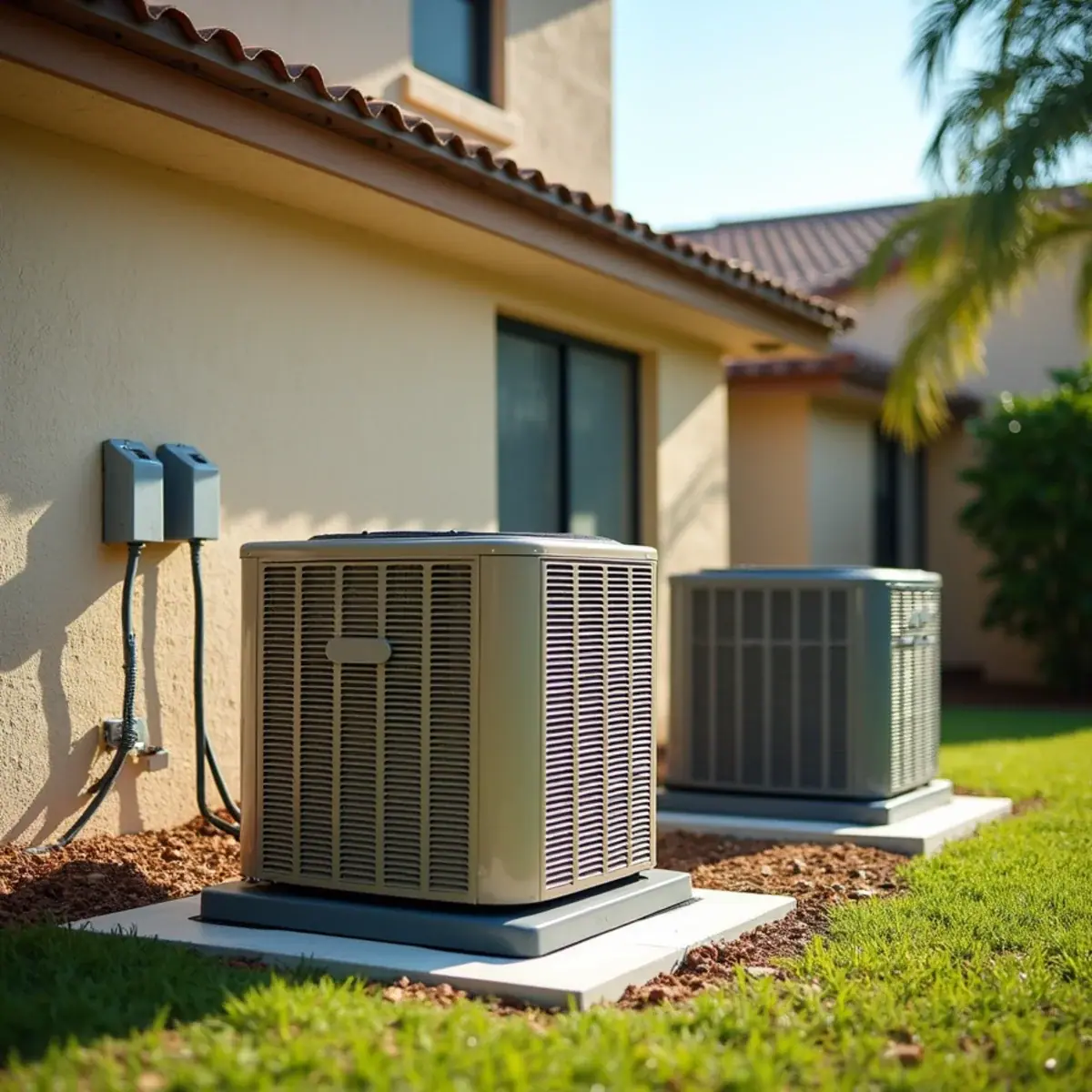
Yes, you can legally keep repairing an R-22 air conditioner in Florida, but only reclaimed R-22 is left, so every leak gets costlier. Fix a small, findable leak on a healthy unit. When the coil leaks or the compressor is failing on a 15-year-old system, R-22 AC replacement with matched R-454B or R-32 equipment is usually the better spend.
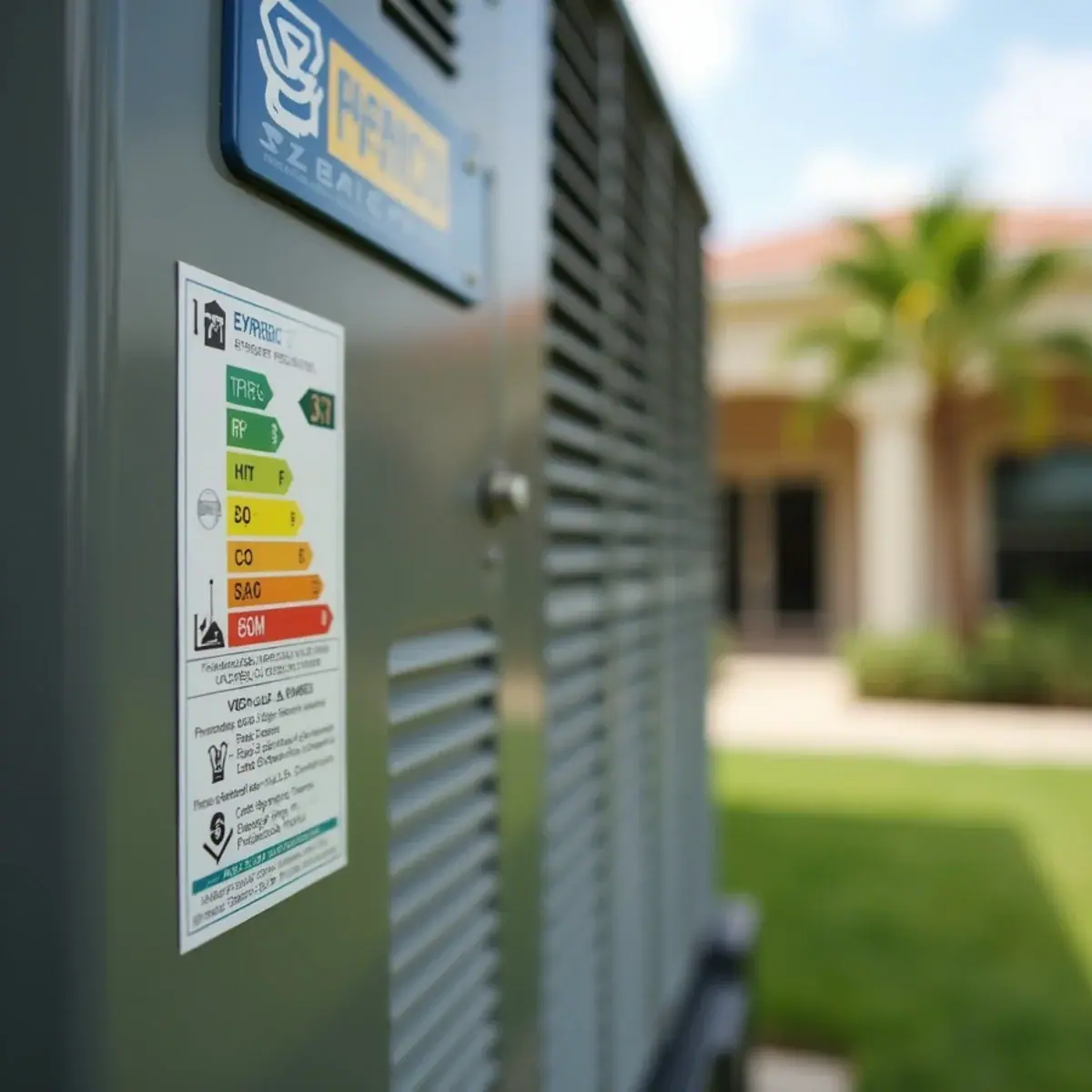
Walk out to the condenser beside your house and look for the data plate. If it says R-22 or HCFC-22, you own a piece of equipment that runs on a refrigerant nobody is allowed to make anymore. That doesn't mean you have to rip it out tomorrow. It does mean the next refrigerant leak will force a decision, and you'll make a better one if you understand the options before the house is 84 degrees.
What the phase-out actually changed
Because R-22 damages the ozone layer, the EPA phased it down in steps: manufacturers stopped building new R-22 systems around 2010, and production and import of R-22 ended on January 1, 2020. Since then, the only R-22 available is reclaimed or stockpiled gas. Supply only shrinks, so the price per pound keeps climbing.
What didn't change: you can legally keep running and repairing an R-22 system as long as it lasts. A leak-free unit never needs a recharge, so the phase-out only bites when the refrigerant circuit fails.
Myth check: can a technician legally repair an R-22 leak?
Yes. Some online guides claim the leak can't be fixed and the whole system must go, but that isn't what the rules say. What's restricted is making or importing new R-22 and releasing refrigerant into the air. Repairing a leak and recharging with reclaimed gas is still allowed. The catch is purchasing: R-22 is sold only to certified technicians, so it won't be found on a hardware store shelf. Guides that also tell you to upgrade to an R-410A system are out of date for 2026, as the replacement section below explains.
How to tell if your AC uses R-22
- Data plate: the condenser's nameplate lists the refrigerant type and factory charge.
- Install date: most systems installed before 2010 in Sarasota County are R-22. Some units built after that were shipped dry and charged with R-22 on site, so the plate is the real test.
- Service fittings and gauges: a technician can confirm it in seconds from the pressures and the fittings.
Your three real options when an R-22 system leaks
1. Find and fix the leak, then recharge with reclaimed R-22
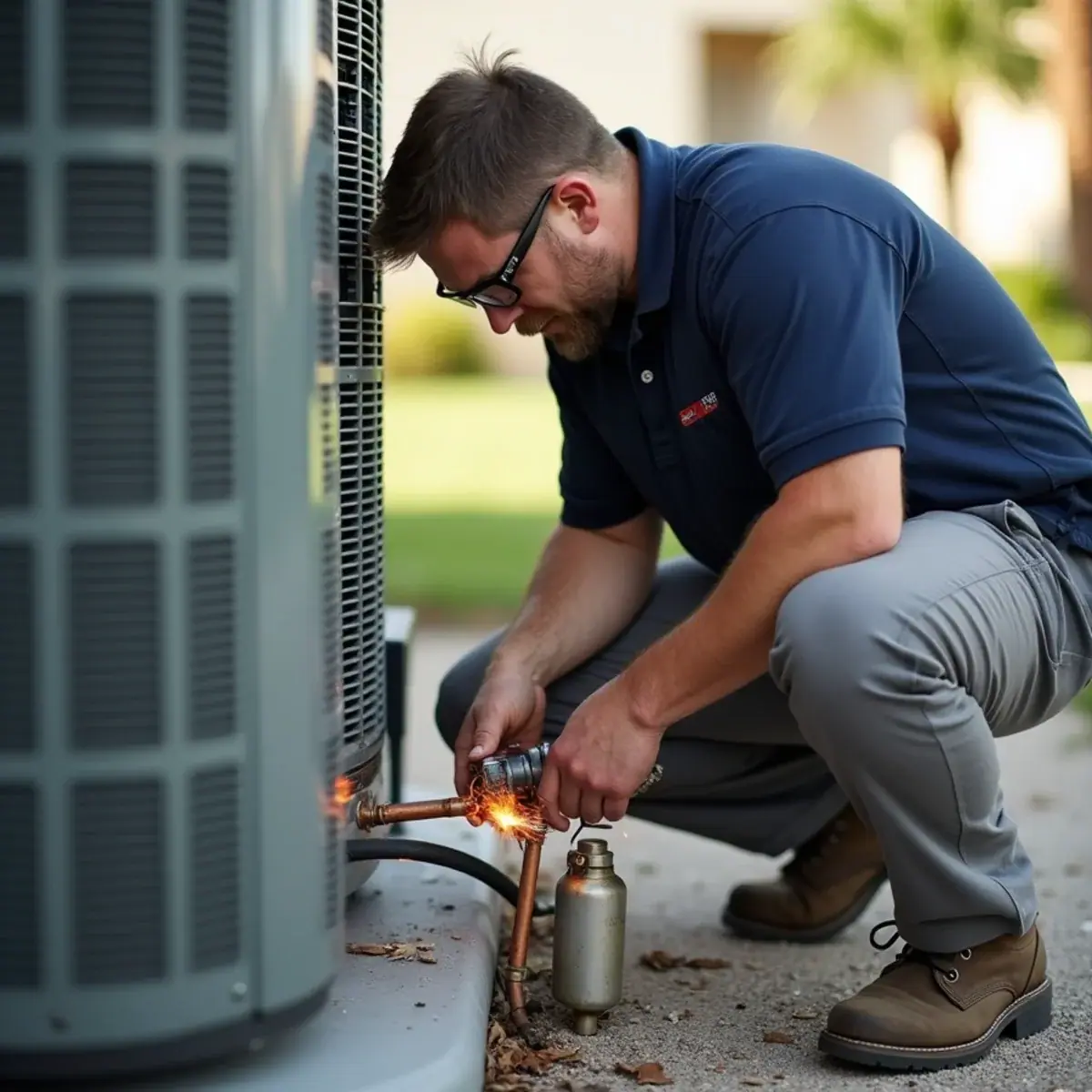
This makes sense when the leak is small and fixable, such as a leaking Schrader core, a cracked flare or a rubbed line set. It rarely makes sense when the leak is in the evaporator coil, where formicary corrosion leaves pinholes that are hard to find and harder to repair. Topping off without finding the leak just vents expensive refrigerant. Our refrigerant leak repair and frozen coil service starts with locating the leak so you know what you are paying for.
2. Retrofit to a so-called drop-in refrigerant
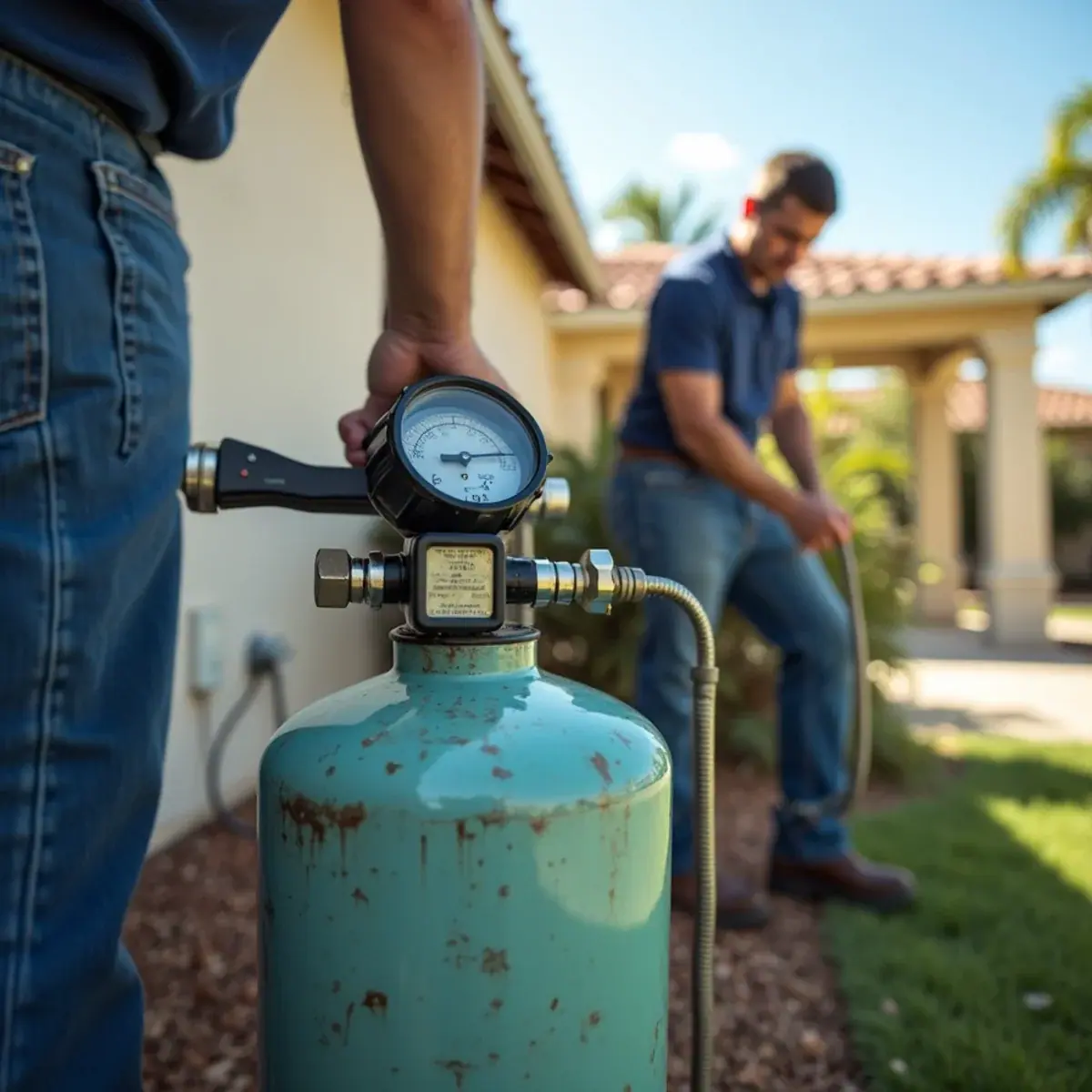
Blends such as R-407C and R-438A (sold as MO99) were designed to replace R-22 in existing equipment. "Drop-in" is a marketing word, not a technical one. Every bit of R-22 has to be recovered first, and these blends come with trade-offs: they are zeotropic, so they must be charged as a liquid and can separate if they leak; some need oil changes or added oil to move lubricant back to the compressor; capacity and efficiency are often a little lower; and the metering device may need adjusting. On a healthy, younger system it can buy several years. On a tired unit with a leaking coil, it's money spent on the wrong box.
3. Replace the system
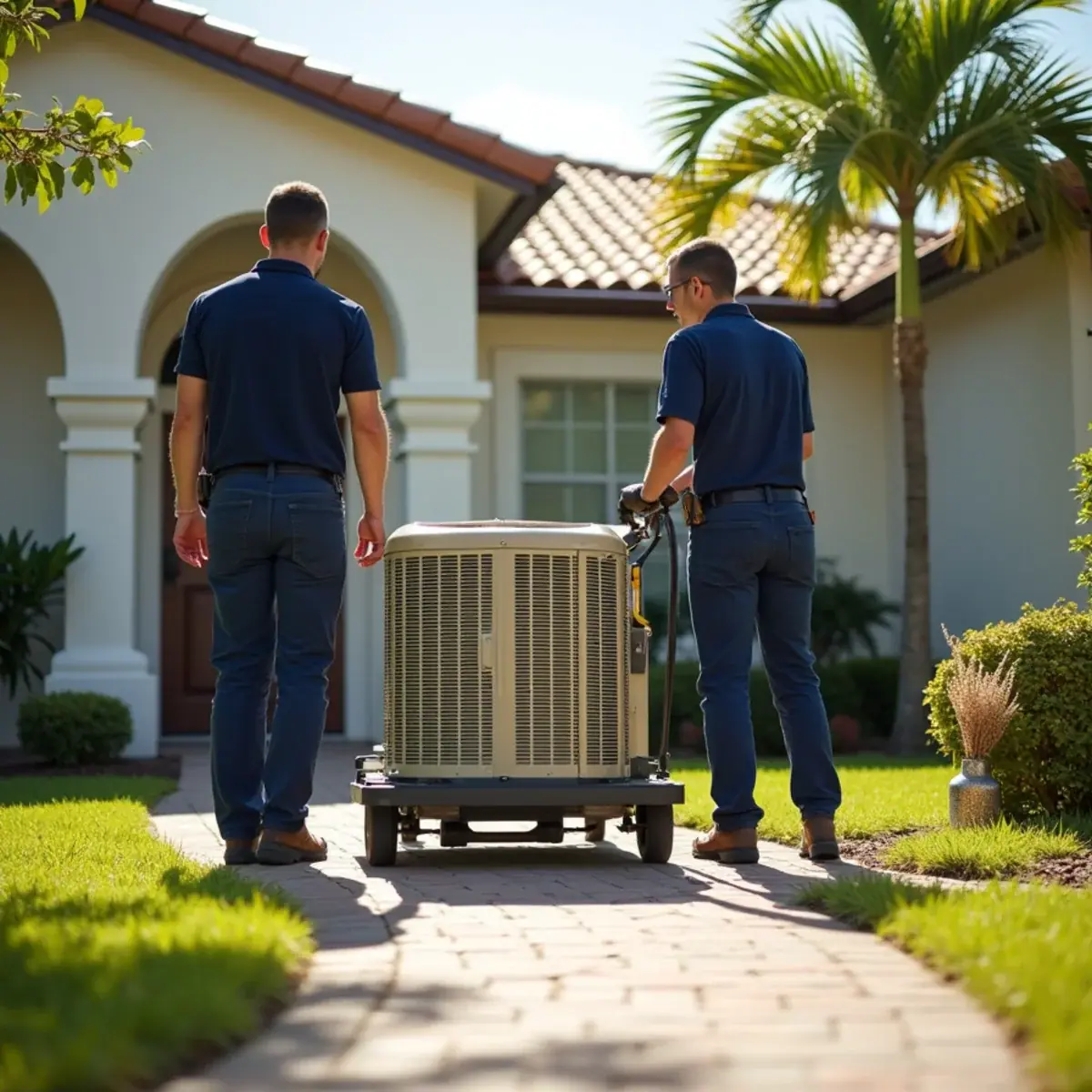
One thing you cannot do is put R-410A into an R-22 system. R-410A runs at far higher pressures and uses a different oil, and the old compressor, coil and metering device were never rated for it. A change to a modern refrigerant means new indoor and outdoor equipment matched together.
| Option | When it makes sense | Trade-offs |
|---|---|---|
| Repair leak + reclaimed R-22 | Small, findable leak; system otherwise healthy | Refrigerant cost and supply; leaks elsewhere may follow |
| Retrofit blend (R-407C, MO99) | Solid compressor, repairable leak, need a few more years | Lower capacity, oil and metering concerns, full recovery required |
| Full replacement | Coil leak, failed compressor, or unit 15+ years old | Largest upfront cost, but new efficiency and parts support |
Signs it's time to stop repairing
- The leak is in the evaporator or condenser coil rather than a fitting or valve.
- The compressor is failing, drawing high amps or tripping on thermal overload. A new compressor in a 15-year-old R-22 system is rarely good value; see our notes on AC compressor replacement for how we weigh that call.
- You've recharged more than once in the last few summers.
- Your electric bill has crept up and the unit is a 10 or 12 SEER model. Today's minimum for a new split AC in the Southeast is 14.3 SEER2, roughly 15 SEER.
What an R-22 replacement looks like in 2026
New split systems installed from January 1, 2026 generally use lower-GWP refrigerants such as R-454B or R-32. These are classified as mildly flammable (A2L), so equipment includes leak detection or mitigation features and installers follow updated practices. An existing line set may be reusable if it is correctly sized, sound and properly flushed.
A proper AC installation and replacement starts with a load calculation (ACCA Manual J), not the tonnage on the old unit. Many older homes were oversized from the start, and right-sizing improves humidity control. The job requires a mechanical permit, whether through the City of Venice or Sarasota County. For budget planning, our post on new AC cost in Sarasota County walks through the price factors.
A note for South Venice and Warm Mineral Springs homeowners
We see a lot of R-22 equipment in South Venice and Warm Mineral Springs, where many homes date from the 1960s through the 1980s and plenty belong to seasonal residents. A typical call looks like this: the owner comes back in the fall, the house is warm and damp, and the system is low on charge after a slow leak over the summer. If that's you, have the system checked before you leave in spring. A leak found early leaves you with choices; one found after months of a struggling compressor usually doesn't.
What we check before recommending an R-22 recharge
On Venice-area R-22 calls, the first question is usually "how much to fill it up?" The honest answer is that nobody knows until they know where the refrigerant went. This is the order we typically work in:
- Confirm the charge is actually low. We read superheat or subcooling, depending on whether the system meters with a piston or a TXV, against indoor and outdoor conditions. A matted condenser coil or a weak blower can look like low charge on the gauges, and adding R-22 to a system that isn't short just overcharges it.
- Hunt the leak in order of likelihood. Schrader cores and valve caps first, then the flare nuts at the air handler, then the line set where it passes through a block wall or rubs a lanai frame, then the evaporator's return bends, where an electronic detector and bubble solution look for the pinholes formicary corrosion leaves.
- Check the compressor before buying it more gas. Amp draw against the nameplate rating, winding resistance and any oil staining on the discharge line tell us whether the compressor has years left or is living on borrowed time.
The mistake we run into most is a system that was topped off two or three summers in a row with no leak search, sometimes with a blend added on top of the leftover R-22. A mixed charge can't be predictably recharged, it has to be recovered as contaminated refrigerant, and the cheap repair option disappears with it. If your unit has ever been retrofitted, make sure the condenser carries a label naming the new refrigerant so the next technician doesn't have to guess.
Get a straight answer on your R-22 system
Brothers Services Cooling & Heating will tell you plainly whether your R-22 unit is worth another repair or whether that money belongs toward a new system. Call (831) 461-3437 or request a quote, and Goran will walk you through the numbers.
FAQ
Common questions
Is it illegal to keep using an R-22 air conditioner in Florida?
No. Owning, running and repairing an R-22 system is legal. The phase-out stopped production and import of new R-22 as of January 1, 2020, so only reclaimed or stockpiled refrigerant is available for recharges. Your system can keep running for as long as it holds its charge and the compressor stays healthy. The phase-out matters only when a leak or major failure forces a decision.
Can you just put R-410A in my old R-22 unit?
No. R-410A operates at much higher pressures and needs a different oil than R-22 systems use. The compressor, coils and metering device in an R-22 unit were not designed for it, and mixing refrigerants contaminates the system. Moving to a modern refrigerant means installing matched new indoor and outdoor equipment, which in 2026 typically means R-454B or R-32.
Are drop-in refrigerants like MO99 a good idea?
They can be a reasonable bridge for a younger system with a small, repairable leak and a healthy compressor. The trade-offs are real: slightly lower capacity, possible oil and metering adjustments, and full recovery of the old R-22 first. On an older unit with a leaking coil, that money is usually better spent on replacement.
Is R-22 still available for repairs in 2026?
Yes, but only as reclaimed or previously stockpiled refrigerant, and the supply shrinks every year because none is being made. Only certified technicians can buy it, and the price per pound moves with that shrinking supply. Ask for the refrigerant as its own line on any estimate. A system that needs several pounds is telling you to find the leak before anything is added.
What happens to the old R-22 when my system is replaced?
It's pumped out with a recovery machine into a dedicated cylinder before any line is cut, because venting refrigerant is illegal under the federal Clean Air Act. Recovered R-22 can go to a reclaimer, get cleaned back to purity standards and be resold for the older systems still running. That recycled gas is where most of today's R-22 supply comes from.
About the author
Written by the team at Brothers Services Cooling & Heating, an owner-operated HVAC contractor in Venice, FL. Goran and crew repair, replace and maintain air conditioners and heat pumps across Sarasota County every day — this article reflects what we see on real Gulf Coast service calls.